Buying features
How Much Does a Rap Feature Cost? A Guide for Artists
· 6 min read
Rap feature cost depends on the artist, the assignment, and the rights attached to the recording. There is no universal rate card that makes every quote easy to compare. For an independent rapper, the useful question is not simply what a verse costs. It is what you receive, what you can do with it, and whether that package supports your release without draining the rest of your budget.
Start by separating the recording from everything you hope will happen afterward. Paying for a feature does not automatically purchase a social post, a video appearance, audience growth, or a playlist placement. Treat those as separate discussions, not benefits you assume are included because the artist has a recognizable name.
What determines rap feature cost?
A quote reflects more than the time spent recording. An artist may consider demand, writing time, creative complexity, scheduling, exclusivity, and the intended use of the finished song. A custom verse written around your hook can involve different work than a previously recorded verse offered with clearly defined usage terms.
Audience size can influence a quote, but it is not a complete measure of value. A smaller artist whose voice fits your track may be a stronger collaborator than a bigger name whose delivery clashes with it. Listen for musical compatibility before deciding how much recognition is worth to your project.
Scope changes the quote
Be specific about whether you need a verse, a hook, ad-libs, or multiple sections. Describe the expected length and musical structure rather than relying only on a bar count. A fast track and a slow track can make the same number of bars feel very different in performance and editing.
- Define the section, approximate duration, and song arrangement.
- State your requested delivery date and any release deadline.
- Specify separate vocal files, edits, and revision expectations.
- Identify promotional appearances or posts as separate deliverables.
Build a budget around the whole release
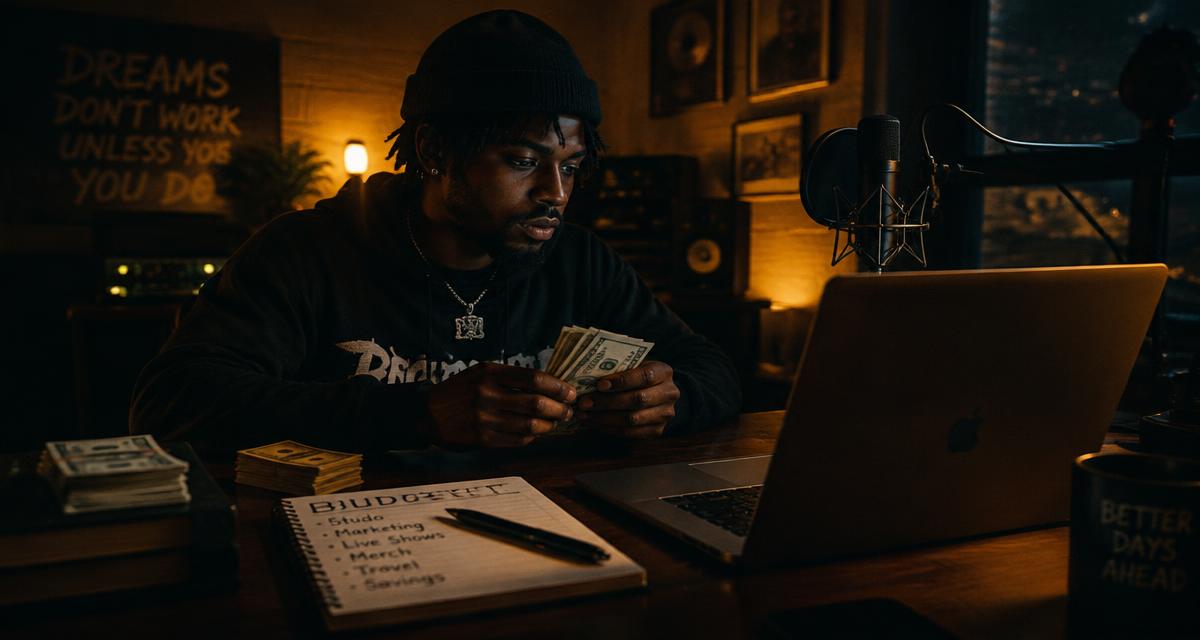
Your feature budget should leave room for the beat license, recording, mixing, mastering, artwork, distribution, and promotion you actually plan to use. Not every release needs the same spending plan. The point is to avoid buying a verse you cannot afford to finish into a release-ready song.
Write down your total available cash, then reserve the amounts needed to complete the record. What remains is your realistic ceiling for the collaboration, including any booking charge. Do not count money you hope the song will earn. Streaming revenue and fan response are uncertain, even when a guest delivers strong work.
Keep a small buffer for foreseeable production problems, such as a replacement mix or another studio session. If adding a feature removes that cushion entirely, consider waiting or changing the scope. A finished, properly cleared release is more useful than an expensive session stuck on a hard drive.
Compare complete offers, not headline numbers
Ask each artist the same questions so you can compare like with like. One quote might include a single vocal file and no revisions. Another might include separated vocals and a defined correction round. Neither is automatically better; the right choice depends on your engineer's needs and the agreement behind the delivery.
Certune is a marketplace to buy and sell feature verses and book verified artists, with stems included with feature verses. That inclusion still makes it worth discussing the expected file layout. Read what stems are so you can ask for useful materials instead of discovering missing parts during your mix session.
Clarify what the payment does not cover
A feature payment does not, by itself, settle songwriting ownership, master ownership, royalties, credit, or permission to use an artist's likeness. Those issues need explicit terms. For a rights-focused checklist, review who owns feature verse rights before you approve the collaboration.
- Is the verse exclusive to your recording, and what does exclusivity mean here?
- What name and credit format should appear in distribution metadata?
- Are songwriting shares or other ongoing payments part of the arrangement?
- What happens if the track changes substantially before release?
Negotiate the scope without disrespecting the artist
If a quote exceeds your budget, say so plainly and offer a narrower assignment. You might ask about a shorter section, a later deadline, or removing a separately priced promotional request. Do not assume the artist will discount their work, and avoid promises of exposure as a substitute for agreed payment.
A useful message explains your track, the part you need, your timing, and your spending limit. Ask whether there is a version of the collaboration that fits. If the answer is no, move on professionally. Respectful communication protects relationships even when the current deal is not workable.
Once you agree, put the exact scope and payment terms in writing. Save the confirmed quote, the approved reference track, and any later changes together. If you change the beat, request extra bars, or move the deadline forward, expect to discuss whether the fee or schedule needs to change too.
Decide whether the feature earns its place
Judge the purchase against a creative goal you can explain without mentioning follower counts. Maybe you need a contrasting voice, a stronger hook, or a collaborator connected to the scene your music serves. A clear goal helps you assess the verse itself instead of measuring success only through unpredictable attention.
Before paying, confirm the artist's identity, delivery expectations, rights, and payment process. Review the FAQ for platform questions rather than guessing about how a booking works. The best budget is not necessarily the smallest one. It is the amount you can responsibly commit to a clearly defined collaboration that makes your record better.