Buying features
How to Book a Feature From Another Artist
· 6 min read
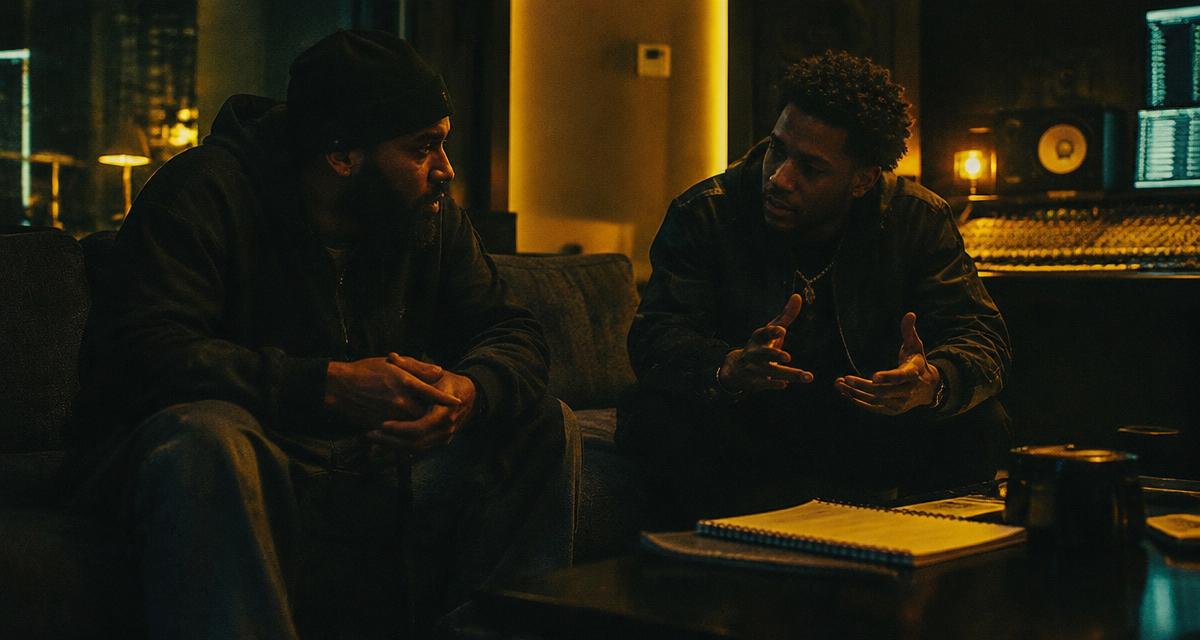
To book a feature successfully, you need more than an artist's contact information and an open verse on a beat. A good booking connects the right voice with a clear assignment, written terms, and a realistic production schedule. That preparation helps both artists focus on the music instead of untangling assumptions after money changes hands.
Treat the booking as a collaboration with defined business details. You can be enthusiastic and professional at the same time. Know what your song needs, ask direct questions, and give the guest enough information to decide whether the assignment fits their style and availability before either side makes a commitment.
Get your song ready before you book a feature
Build a working version of the track with the hook and your main sections in place. It does not need a final master, but it should communicate the direction. If you are still choosing between unrelated beats or concepts, finish that decision before asking someone to write a custom contribution.
Make sure you have permission to use the instrumental for the release you intend. Check your beat agreement for relevant restrictions instead of assuming a guest feature is automatically covered. If you need a broader license or approval, address that before creating a delivery deadline that depends on unresolved permissions.
Define the job in musical terms
Explain where the guest enters, how long the section runs, and what emotional role it serves. You might want a contrasting perspective, a melodic release after dense verses, or an opening that establishes the song's tension. Give direction without writing the artist's entire performance for them unless that is the arrangement.
- Send the current reference mix and a clearly marked instrumental.
- Include the tempo, key if known, and song structure.
- Describe subject matter, explicit-language preferences, and creative boundaries.
- Identify the requested sections and your actual delivery deadline.
Choose fit before status
Listen beyond one viral clip. Look for performances that show the qualities your record needs, including timing, tone, writing, and consistency. A recognizable artist is not automatically the right collaborator. Imagine the transition into their voice and back into yours, then decide whether the combination serves the song rather than just its announcement.
Check that the person offering the booking is authorized to do so. Use contact information connected to the artist's established public presence, and independently confirm unexpected messages from supposed managers. A professional-looking profile is not proof. The guide to avoiding feature scams covers warning signs worth reviewing before you send money.
Send a short, specific inquiry
Introduce yourself, describe the track, and explain why you think the artist fits. Include a private listening link if appropriate, your requested scope, and the timing. Ask about availability, the full quote, and the booking process. A concise inquiry is easier to answer than several messages that reveal the assignment one detail at a time.
State your budget if you have a firm limit, but do not use it to pressure the artist into accepting. Ask whether the requested work is possible within that limit. If it is not, you can discuss a different scope or move on without wasting either person's studio time.
Do not send a public release announcement while the booking is still an inquiry. Interest is not confirmation, and a conversation about availability is not permission to use someone's name as a confirmed guest. Wait until the agreement supports the claims you plan to make.
Confirm the agreement before payment
Put the deliverables, total charges, delivery date, revision terms, and payment process in writing. Identify what makes the delivery complete and what happens if either party cannot proceed. Avoid relying on a voice note alone when the details could determine whether you can release the finished song.
Separate the recording from the rights
Discuss permission to release the feature, credit formatting, exclusivity, songwriting shares, master rights, and any ongoing payments. These are related questions, but they are not interchangeable. A fee for recording does not automatically answer them. If the rights language is unclear or the stakes are significant, consult a qualified music attorney.
Also separate music delivery from promotion. If you want a social post, video appearance, or performance commitment, negotiate that explicitly. Include timing and practical details where relevant. Do not build your rollout around promotional support that the artist never agreed to provide.
Use a payment process you understand
Read the payment and delivery terms before submitting funds. Know who holds the money, when release occurs, and what procedures apply if the delivery does not match the agreement. An unfamiliar payment link deserves verification through an established channel, especially if someone suddenly asks you to change the destination.
Certune lets artists buy and sell feature verses and book verified artists. Payments are held in escrow and released when the agreed work is delivered. Read the FAQ for questions about the process, and confirm your own deliverables in writing rather than treating a platform description as the complete agreement.
Manage delivery without micromanaging
Once the brief is approved, let the guest work. Choose a reasonable check-in point and communicate material changes promptly. If you replace the beat or rewrite the hook, ask whether that affects the quote and deadline before assuming the original booking covers a different song.
- Check the performance against the approved brief and arrangement.
- Confirm the promised files are present and usable.
- Collect any agreed credit and rights information still needed.
- Send consolidated feedback within the agreed review window.
Keep corrections specific: identify the section and explain the mismatch. Separate a missed requirement from a new creative preference. Before distribution, confirm metadata and preserve the agreement with your project files. A successful booking ends with a usable contribution and clear permission to release it, not merely a message saying the verse is finished.